Melbourne Parking Guide (2026): Where, How Much and How to Save
- Words
- Melbourne Tourism Guide
- Updated
- October 27, 2026
- Read
- 13 min
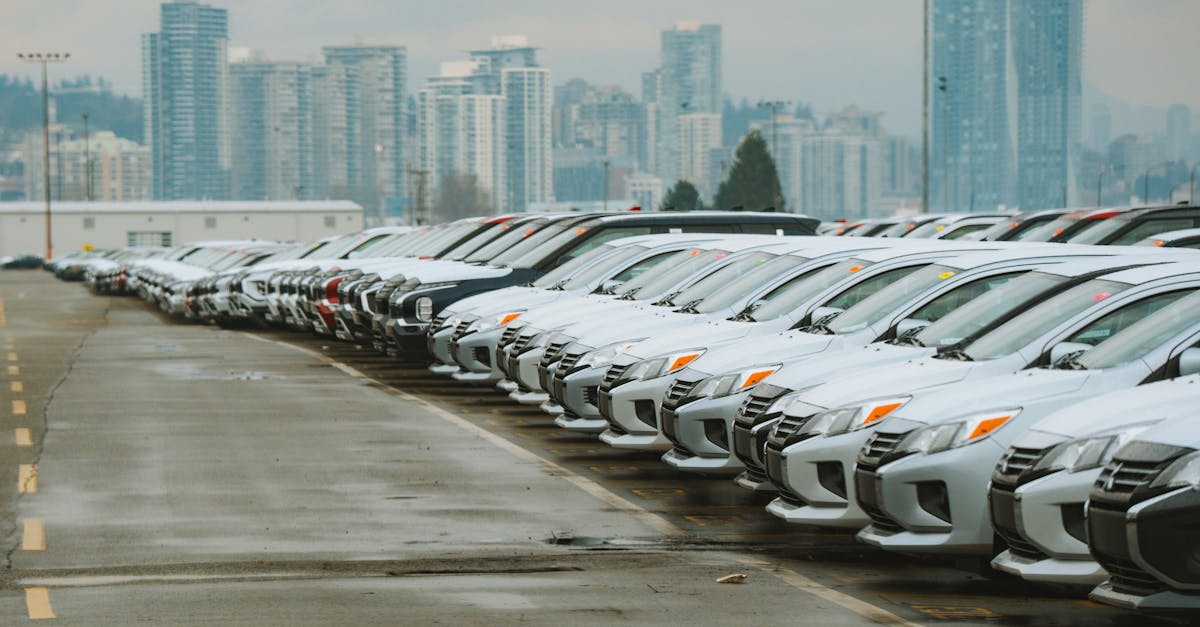
Melbourne parking - complete 2026 guide. CBD car parks, on-street meters, free shopping centre parking, pre-booking apps, EV charging, fines, and how to save.
This article contains advertising. Our booking links are routed through a partner that adds commission tracking automatically, so if you book through one we earn a commission from the provider, at no extra cost to you. It never affects what we recommend. Affiliate disclosure
The Melbourne parking situation is one of the more confusing aspects of visiting the city by car. Melbourne has the most expensive CBD parking in Australia by some measures, with on-street meters running A$8/hour and multi-storey car parks reaching A$70+ per day. However, knowing the right strategies — using shopping centres for free parking, off-street alternatives, public transport for CBD access, and the Free Tram Zone — can transform your costs and stress. This 2026 guide covers everything you need to plan parking in Melbourne: where to park (and where not to), prices, free options, time limits, fines, electric-vehicle charging, and how to avoid the worst CBD parking traps.
Melbourne CBD parking quick guide
- On-street meter parking: A$5–A$8 per hour. Time limits are signed at each bay. Pay via meter or PayStay app.
- Multi-storey car parks: A$15–A$25 per hour, A$50–A$70 per day.
- Pre-booked parking: book ahead online with Wilson Parking or an app like Parkhound, and compare the price with the walk-up rate.
- Sundays and public holidays: check the sign at your bay for payment hours; multi-storey full price applies.
- Time limits: signed at each bay, so read the sign before you walk away.
- Fine for parking violations: about A$104 expired meter; about A$209 stopping in a clearway; misusing a disabled bay also brings a fine.
Best CBD car parks (multi-storey)
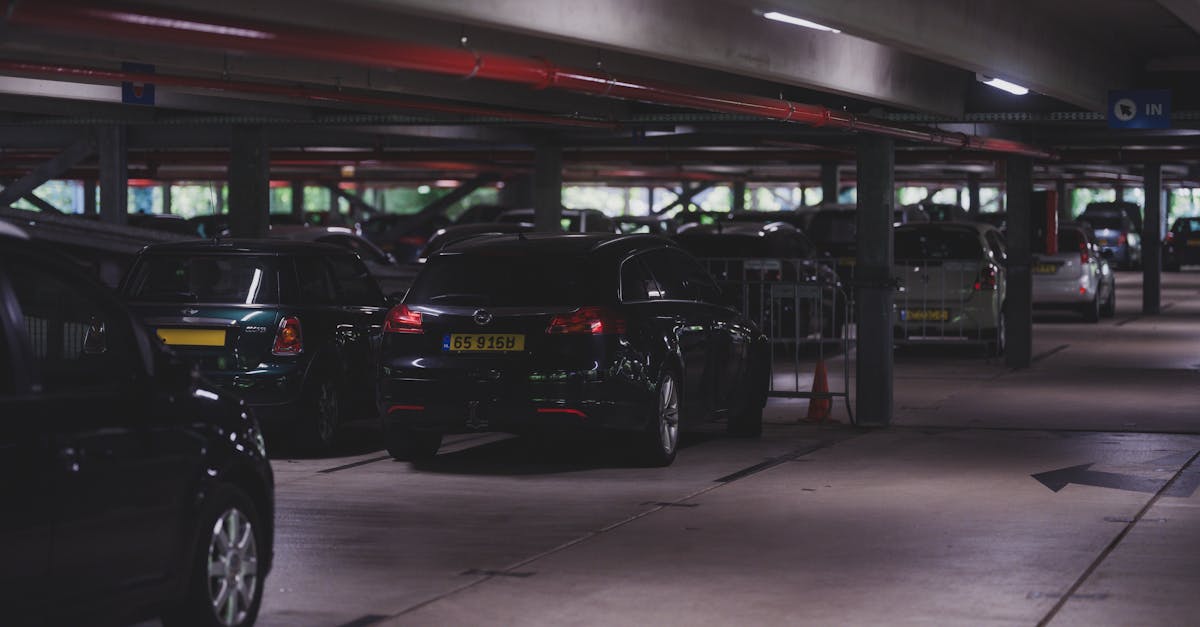
- Federation Square Car Park — A$18 for the first hour on weekdays, A$72 for 3+ hours; early bird from A$22 (enter 4–10am, exit 3pm–midnight). Direct access to Fed Square attractions.
- QV Centre Car Park — standard rate A$65 for stays over three hours. Separate offers: A$23 all-day on weekdays with a minimum A$1 purchase at a QV store and a validated discount ticket; A$20 night rate (enter after 5pm, exit before 6am); A$20 flat on weekends and public holidays. Conditions apply, so check the official QV Melbourne parking page for current rates. Central CBD shopping access.
- Melbourne Central Car Park — standard maximum A$75/day; early-bird and evening rates have their own conditions. Direct shopping access.
- Crown Casino Car Park — A$30–A$45/day. Attached to Crown complex.
- Wilson Parking (multiple CBD locations) — A$35–A$60/day if pre-booked. Walk-up rate A$50–A$70/day.
- Secure Parking (multiple locations) — A$40–A$65/day pre-booked.
- Russell Street Car Park — A$45–A$60/day, central.
- Spencer Outlet Centre Car Park (Docklands) — A$25–A$40/day. Free for shoppers.
- Marvel Stadium Car Park — A$35–A$50/day on event days, cheaper otherwise.
- Southbank Theatre Car Park — A$40–A$55/day.
Pre-booking parking
- Parkhound — peer-to-peer parking app. Cheapest for residential street rentals. A$15–A$30/day.
- Wilson Parking — pre-book direct via its website with prepaid savers such as Flexi Saver, Night and Weekend.
- Secure Parking — similar online pre-booking discounts.
- Care Park — pre-book multiple Melbourne locations.
- EasyPark app — find and pay parking from phone.
- PayStay app — official app for City of Melbourne meter parking.
- Weekly and monthly passes available for longer stays.
Free street parking in Melbourne
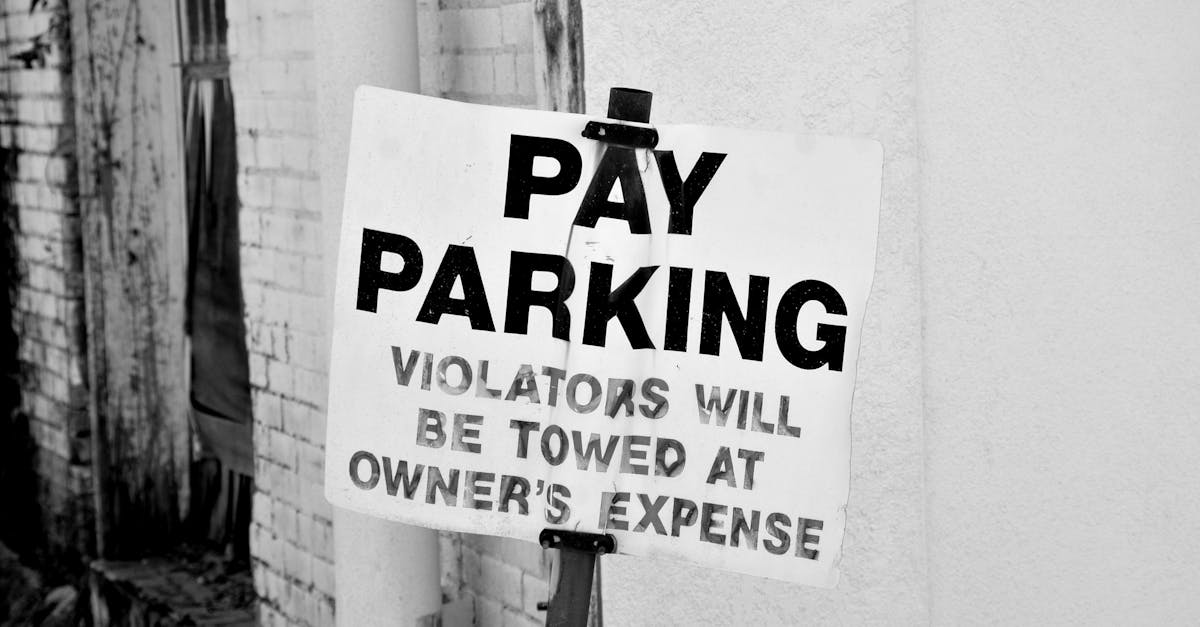
- Sundays and public holidays — CBD payment hours and time limits can still apply. Check the sign at your bay.
- Evenings — CBD paid-parking restrictions can run into the evening. Check the sign at your bay for payment hours and time limits.
- Residential street parking — inner-suburb streets (Carlton, Fitzroy, South Yarra, Richmond) carry their own signed time limits and permit zones, so read the signs.
- Outer suburb residential streets — generally free, no restrictions.
- Always check signs carefully — restrictions vary by block.
- Time-limited zones — signed at the kerb.
- Resident-only zones — visitors cannot park; only residents with permits.
Free shopping centre parking
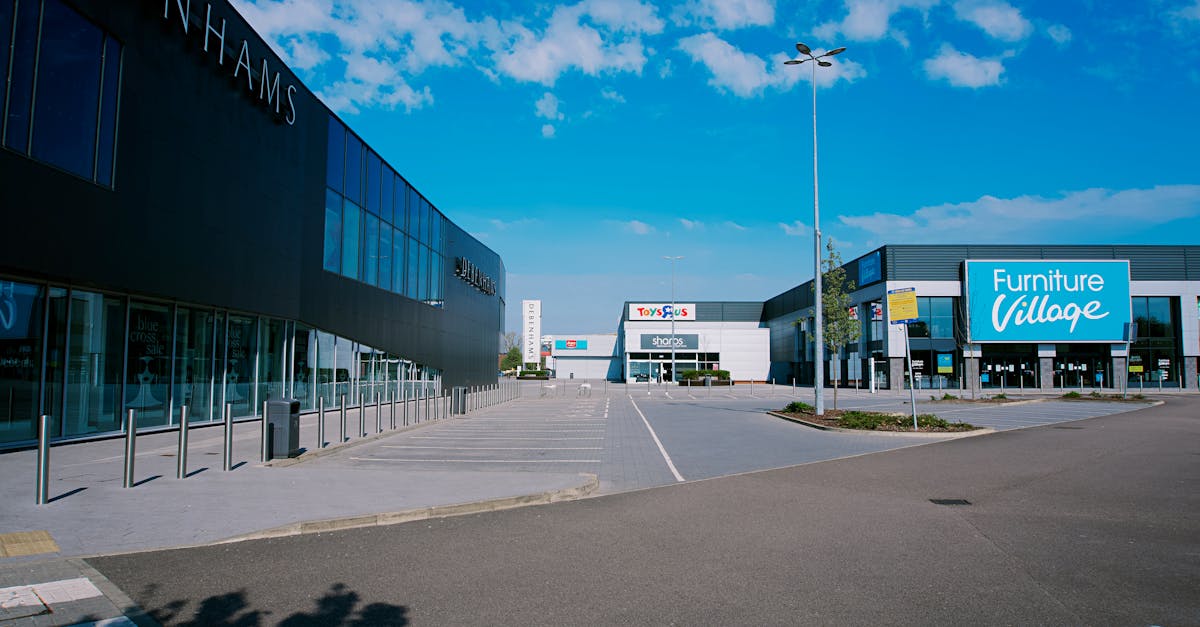
- Chadstone Shopping Centre (Malvern East) — free standard parking; Fresh Food Parking bays are free for the first two hours.
- Highpoint Shopping Centre (Maribyrnong) — free in four-hour and all-day zones (the all-day zones are on the top level of each car park).
- Northland Shopping Centre (Preston) — free across six car parks; follow the restrictions signed where you park.
- Westfield Doncaster — free 3 hours.
- Eastland Shopping Centre (Ringwood) — first three hours free.
- Knox Shopping Centre — free.
- Forest Hill Chase — free.
- The Glen (Glen Waverley) — free.
- QV Centre (CBD) — paid.
- Melbourne Central — paid.
- Emporium Melbourne — paid.
Off-street parking alternatives
- Parkhound — peer-to-peer; rent residents’ driveways and garages.
- JustPark — similar peer-to-peer app.
- Park & Ride — train station car parks at outer-suburb stations. Free for Myki users.
- Hotels with parking included — confirm before booking.
- Day-pass parking at convention centres — when major events.
- Shopping centre car parks often allow validating tickets via purchases.
Melbourne Airport parking
- Value Park (Value North and Value South) — A$17/day drive-up, A$119 for 7 days. Check online quotes for your dates.
- Terminal and Premium car parks — A$62/day and A$94/day drive-up.
- Pre-book online to save on the drive-up rates.
- Off-airport parking — Andrew’s Airport Parking, Jetport Parking are A$15–A$22/day with shuttle.
- Shuttle to terminal — long-term parks have free shuttles every 15 min.
Melbourne CBD parking by time of day
- Weekday daytime — multi-storey at peak rates. On-street time-limited.
- Weekday evenings — on-street payment hours and time limits can run into the evening, so check the sign at your bay.
- Weekend Saturday — meters operating; multi-storey full daytime rates.
- Sunday — check the sign at your bay for payment hours and time limits.
- Public holidays — check the sign at your bay for payment hours; multi-storey full rates.
- NYE, Christmas Eve, Cup Day — check the sign at your bay; multi-storey at peak.
- Major event days (AFL Grand Final, F1 GP) — surge pricing at multi-storey.
Melbourne parking fines and enforcement
- Expired meter — about A$104 (City of Melbourne, 2026–27).
- Stopping in clearway — about A$209.
- Disabled bay misuse — a fine applies.
- Bus stop or no-stopping zone — a fine applies.
- Loading zone outside hours — a fine applies.
- Residents-only zone — a fine applies.
- Time-zone exceeded — a fine applies, plus tow potential.
- Towing fees — A$300+ to retrieve a car.
- Parking inspectors walk on patrols and use mobile cameras.
- Pay attention to road markings — yellow lines = no stopping.
Melbourne parking apps
- PayStay — official City of Melbourne meter app. Pay by phone, extend remotely.
- EasyPark — find and pay parking from phone.
- Parkhound — peer-to-peer parking rental.
- Wilson Parking — pre-book Wilson lots online.
- Secure Parking — pre-book Secure lots.
- Care Park — pre-book Care Park lots.
- Park Smart Vic — finding parking spots.
- Apple Maps and Google Maps — show parking icons and prices.
Electric vehicle (EV) charging in Melbourne
- EVie Networks — fastest growing EV charging network in Melbourne.
- Chargefox — Tesla and other EVs; locations across Melbourne.
- JOLT — its Daily 7kWh plan includes 7 kWh of energy each day, with a service fee per charging session.
- Tesla Superchargers — at Crown Casino, Chadstone, multiple suburbs.
- City of Melbourne CBD chargers — limited but growing.
- Multi-storey car parks — ask the operator whether chargers are available.
- Costs — vary by network. JOLT includes 7 kWh a day plus a per-session service fee; Tesla A$0.50–A$0.70/kWh; Chargefox similar.
- Apps — PlugShare for finding chargers; ChargefoX for Chargefox network.
Avoiding parking pitfalls
- Read every sign carefully — restrictions can change block by block.
- Don’t assume free parking in CBD residential streets — many are resident-only.
- Check time-zone limits — exceeding by even 1 minute can result in a fine.
- Look for clearways — major roads ban stopping during peak hours.
- Hook turns — Melbourne CBD has unique driving rules; turn right from far-left lane at certain intersections.
- Tram tracks — never park on or block tram tracks.
- Bus stops and bike lanes — strictly off-limits.
- Disabled spots — only with valid disabled permit.
Parking strategies for visitors
- Don’t drive into the CBD if your hotel is central. Most CBD attractions are walking distance.
- Park & Ride — park free at outer-suburb train stations and take train into CBD.
- Pre-book parking via Wilson Parking or Parkhound and compare the price with the walk-up rate.
- Use shopping centre parking if visiting Chadstone, Highpoint, Doncaster.
- Stay at a hotel with included parking — many CBD hotels charge A$50/night.
- Use Free Tram Zone after parking at a Park & Ride station.
- Avoid driving on weekends in the CBD — traffic and limited parking.
- Use rideshare for evening events to skip parking.
Melbourne parking by neighbourhood
- CBD — most expensive. A$50–A$70/day in multi-storey.
- Southbank — slightly cheaper than CBD core. A$40–A$60/day.
- Docklands — A$25–A$40/day.
- Carlton/Lygon Street — meter parking; read the signs on nearby residential streets.
- Fitzroy/Brunswick Street — meter parking; read the signs on nearby residential streets.
- St Kilda — meter parking on the foreshore. Read the signs on residential streets.
- South Yarra/Chapel Street — meter parking; some private lots A$5–A$10.
- Outer suburbs — generally free residential parking.
Where to park in Melbourne
If you’re driving into the city, you have a few options. Commercial car parks (operated by the big parking companies and beneath major buildings and shopping centres) are the most reliable — secure, undercover and everywhere in the CBD, though the priciest by the hour. On-street metered parking exists throughout the city and inner suburbs but is limited, time-restricted and competitive, with strict enforcement. Council car parks and park-and-ride facilities at outer train stations offer cheaper alternatives if you’re happy to take public transport for the last leg. For most visitors, a booked commercial car park is the least stressful choice in the centre.
What parking costs
Parking in central Melbourne is not cheap. CBD commercial car parks can charge steep hourly rates, with day rates that add up quickly — though many offer much better-value “early bird” deals (enter before a morning cut-off, exit after an afternoon one) and flat-rate evening and weekend specials that are far cheaper than the hourly rate. On-street meters charge by the hour with time limits. The further from the CBD core you park, the cheaper it gets. As a rule, the cost of city parking often exceeds the cost of a day’s car hire itself, which is exactly why we suggest leaving the car out of your city plans where you can.
How to save on parking
A few tactics cut the cost significantly. Book ahead online through parking apps and aggregators, which often undercut the drive-up rate substantially. Use early-bird and flat-rate deals if your timing fits. Park slightly out of the CBD core and walk or tram in (remember the Free Tram Zone). Try park-and-ride at an outer station and take the train. And check for free or cheaper parking in the inner suburbs (with attention to time limits and permit zones). For evenings out, the flat-rate night specials at many car parks are excellent value. A little planning here saves real money.
Parking apps and meters
Melbourne’s on-street parking is increasingly app-based. The PayStay app (and similar) lets you pay for metered parking from your phone, top up remotely if you’re running late, and avoid fumbling for coins. Many council areas use it, with signage showing the area code. Booking apps like those run by the major parking operators let you reserve and pre-pay a space in a commercial car park, often at a discount. Download the relevant app before you set out, and you’ll find paying and extending much easier than dealing with old-style meters.
Fines, clearways and the fine print
Melbourne enforces parking rules strictly, so read the signs carefully — they can be confusing, with different rules by time and day stacked on one pole. Watch especially for clearways (major roads where parking is banned during peak hours, with vehicles towed), time limits (overstaying earns a ticket), permit zones, loading zones, and tram “safety zones” you can’t park in. Disabled parking requires a valid permit. Fines are issued promptly and aren’t cheap. When in doubt, use a paid car park rather than risk an on-street ticket — the certainty is worth it.
Parking at attractions and events
Many major attractions and venues have their own parking or nearby car parks, though these fill and surge in price during big events at the MCG, Marvel Stadium or the arts precinct. For events, pre-booking a space or simply using public transport (which runs extra services for big games and concerts) is far less stressful than circling for a spot. At day-trip destinations and the beaches, parking is usually easier and often free, though popular spots like the bayside beaches get busy on summer weekends. Plan parking into your day at the city’s major venues, and you’ll avoid a frustrating start.
Park-and-ride: the smart compromise
One of the best strategies for visitors with a hire car is park-and-ride. Many of Melbourne’s outer and middle train stations have free or cheap commuter car parks, so you can drive in from your accommodation (or break a journey), leave the car, and take the train into the city for a few dollars on your Myki — avoiding both CBD traffic and eye-watering city parking fees. It’s especially handy if you’re staying in the suburbs or arriving from a day trip and want to spend an evening in town. Combined with the daily fare cap, it makes a car-and-train combination both cheap and stress-free. Our train network guide covers the lines you’d connect to.
A note on hotel parking
If you’re bringing a car and staying in the city, check your accommodation’s parking situation before you book — many CBD hotels charge a hefty daily fee for valet or on-site parking (sometimes as much as a separate car park nearby), while others have no parking at all. Apartment and suburban stays are more likely to include free or cheaper parking. Factor this into your accommodation choice and budget, as city hotel parking can add a surprising amount to a trip. For many visitors, the simplest answer remains to skip the city car entirely and hire one only for the days you head out of town — see our driving guide for the full case.
Frequently asked questions about Melbourne parking
How much does Melbourne CBD parking cost?
On-street meters A$5–A$8 per hour. Multi-storey car parks A$50–A$70/day at peak. Pre-booked parking A$25–A$45/day.
Where can I park free in Melbourne CBD?
Payment hours vary by street in the CBD and can apply in the evening and on Sundays, so check the sign at your bay. Residential streets nearby carry their own signed time limits and permit zones.
Is parking in Melbourne expensive?
Yes — Melbourne CBD parking is the most expensive in Australia. Off-CBD and outer suburbs are much cheaper. Pre-booking via Wilson Parking or Parkhound is worth comparing against the walk-up rate.
Can I park free at Chadstone?
Yes — standard parking at Chadstone is free. The Fresh Food Parking bays are free for the first two hours, then charged.
What’s the best Melbourne parking app?
PayStay (official City of Melbourne meter app) for paying meters. Parkhound for cheap pre-booked private parking. Wilson Parking for direct car park bookings.
Are Sundays free for parking in Melbourne?
CBD payment hours can still apply on Sundays, so check the sign at your bay. Multi-storey car parks charge full daytime rates. Time limits still apply on Sunday street parking.
Should I rent a car for Melbourne CBD?
Generally no. CBD attractions are walking distance, the Free Tram Zone is free, and parking is expensive. Rent a car only for day trips outside the CBD.
Where do I find EV charging in Melbourne?
EVie, Chargefox, and JOLT networks cover most of Melbourne. Tesla Superchargers at Crown, Chadstone, and multiple suburbs. PlugShare app finds nearby chargers.
Final word: park smart in Melbourne
Melbourne CBD parking is expensive but manageable with smart planning. Pre-book online and compare the price with the walk-up rate, use shopping centre free parking when possible, and consider Park & Ride for visitor day trips. For most CBD-focused tourists, skipping the car entirely and using the Free Tram Zone is the best option. For broader transport context, see our Melbourne public transport guide pillar.