First Time Visiting Melbourne: Essential Tips to Know
- Words
- Melbourne Tourism Guide
- Updated
- July 29, 2026
- Read
- 11 min

First time visiting Melbourne? Essential tips on arriving, getting around, weather, money, food, top sights, day trips and how long to stay — from a local.
This article contains advertising. Our booking links are routed through a partner that adds commission tracking automatically, so if you book through one we earn a commission from the provider, at no extra cost to you. It never affects what we recommend. Affiliate disclosure
So you’re visiting Melbourne for the first time — congratulations, you’ve picked one of the world’s most liveable, likeable cities. But Melbourne can be a little disorienting at first: the weather has a mind of its own, the best bits hide down laneways, and there are local quirks (hello, Myki and the hook turn) that take a day or two to figure out. I’ve welcomed a lot of first-timers over the years, and this guide is everything I’d tell you over a coffee before you set out — how to arrive, get around, eat well, stay safe, and fall for the city fast. It’s the friendly front door to our complete Melbourne travel guide.
What to expect from Melbourne
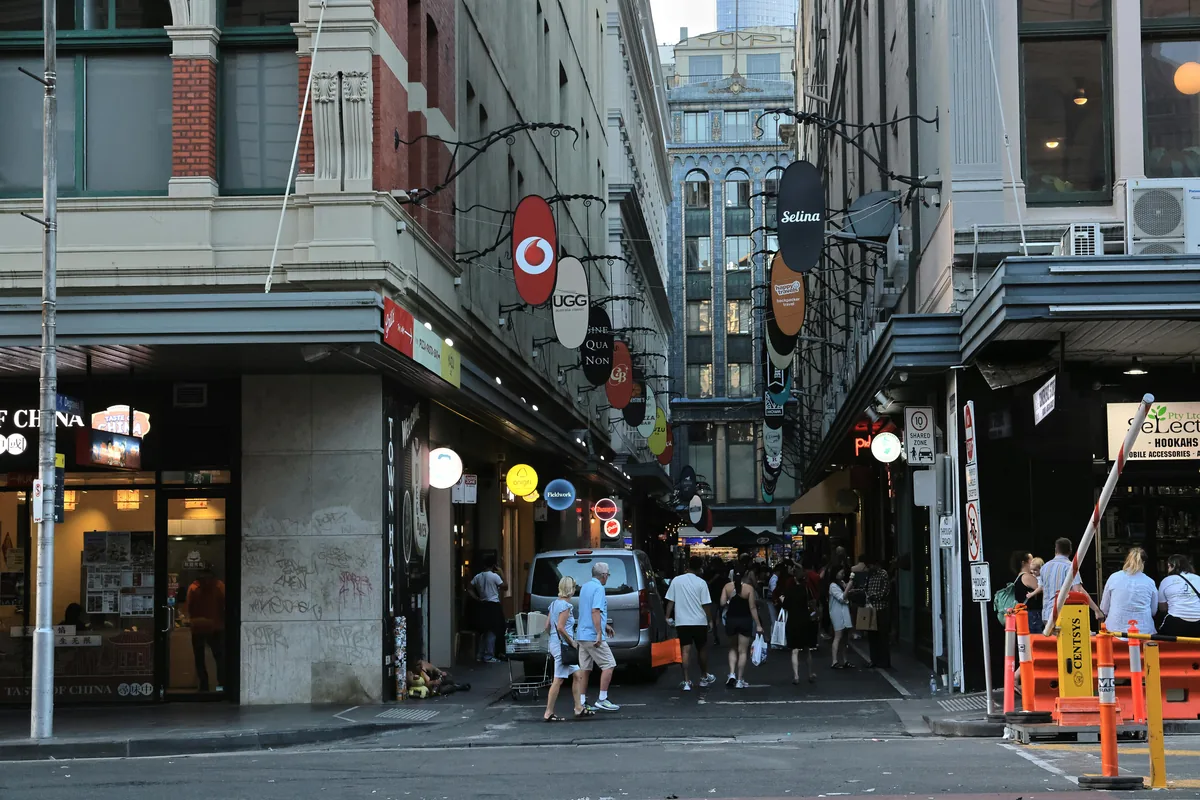
Melbourne is a relaxed, cultured, multicultural city that wears its charms quietly. It’s not about one giant landmark; it’s about the accumulation of small pleasures — a perfect coffee, a laneway dripping with street art, a world-class meal, a leafy garden, a buzzing market. It’s safe, walkable and friendly, with a strong café and arts culture and a famous love of sport. The pace is unhurried, the people are warm and casual, and the rewards go to those who explore rather than rush. Come with an open mind and a comfortable pair of shoes. First-timers who arrive expecting a single must-see icon can feel briefly underwhelmed; those who come ready to wander, graze and discover invariably leave smitten. Melbourne is a city you experience rather than tick off.
Getting from the airport
Most visitors arrive at Melbourne Airport (Tullamarine), about 25km northwest of the city. There’s no train link yet, so your options are the SkyBus (a frequent, affordable express coach to the CBD, around 30–45 minutes), a rideshare (Uber, DiDi, Ola) or a taxi from the ranks. The SkyBus is the best value and runs around the clock; rideshare and taxis are more convenient if you have lots of luggage or are arriving late. Avalon Airport, used by some budget flights, is further out and also served by a bus. Sort a Myki card or local SIM on arrival and you’re ready to roll.
Where to stay
For a first visit, base yourself centrally. The CBD puts you walking distance from the laneways, markets and galleries and inside the Free Tram Zone; Southbank offers riverside views; and lively inner suburbs like Fitzroy, Carlton or St Kilda give you a more local, neighbourhood feel. Staying central means less commuting and the freedom to walk home after dinner. Our guide to where to stay in Melbourne compares the best areas by budget and style.
Getting around
Melbourne’s public transport is excellent and easy once you know the basics. You’ll need a Myki card (or Mobile Myki) for trams, trains and buses — but travel within the central Free Tram Zone is completely free and requires no tapping on. The CBD is very walkable, trams are iconic (if slow in the centre), and rideshare is cheap and handy for late nights. You won’t need a car in the city — only for day trips. Our public transport guide explains it all simply.
The weather (and how to handle it)
Be warned: Melbourne is famous for “four seasons in one day”. The temperature can swing dramatically, a sunny morning can turn wet by afternoon, and even summer brings the odd cold snap. The answer is simple — pack and dress in layers, carry a compact umbrella year-round, and wear SPF30+ sunscreen because the sun is fierce. Don’t let it put you off; locals just roll with it. Our packing guide has a full checklist, and our best time to visit guide breaks down the seasons.
Money, payments and tipping
Melbourne is almost entirely cashless — cards and phones are accepted everywhere, so you’ll rarely need cash. Prices include tax (the tag price is what you pay), and crucially, tipping is not expected — staff earn a proper wage, so a tip is a bonus for exceptional service, never an obligation. Watch for small card surcharges and weekend/public-holiday surcharges on some bills. Grab a local SIM or eSIM for cheap data. More money and etiquette pointers are in our Melbourne travel tips.
Food and coffee: the main event
Melbourne is Australia’s food capital, and eating well is central to the experience. The city is fanatical about coffee — order a flat white and you’ll see why — and brunch is practically a religion. The best food often hides down laneways and in the suburbs, so be adventurous: yum cha in Chinatown, Vietnamese in Richmond and Footscray, Italian on Lygon Street. Don’t miss the markets for cheap, delicious grazing. Our guides to the best restaurants and best coffee will steer you right.
Top sights for first-timers
Hit these to get the essence of the city: the laneways and arcades (Hosier Lane, Degraves Street, the Block Arcade); Queen Victoria Market; the free NGV International; Federation Square and the Yarra; the Royal Botanic Gardens; and seaside St Kilda with Luna Park. Add the view from Eureka Skydeck and a wander through Fitzroy, and you’ve covered the highlights. Our guide to things to do in Melbourne has the full list and how to string them together.
Explore the neighbourhoods
Melbourne’s character lives in its neighbourhoods, so don’t spend your whole trip in the CBD. Fitzroy and Collingwood are the bohemian, street-art-and-bars heart; St Kilda is the seaside playground; Carlton is Italian heritage and museums; South Yarra and Prahran bring shopping and dining. Pick one or two and go deep. Our neighbourhoods guide helps you choose where to wander.
Save time for a day trip
Some of Victoria’s best experiences are just outside the city, and a first visit really should include at least one. The Great Ocean Road (the Twelve Apostles), the Yarra Valley wine region, Phillip Island (penguins) and the Dandenong Ranges are all within easy reach by tour or hire car. Our day trips guide covers them all.
How long should you stay?
It depends on your time, but here’s my steer: three days covers the city highlights, five days adds a day trip and a more relaxed pace, and a week lets you add wine country and a proper Great Ocean Road trip. For a first visit, five days is the sweet spot. We’ve mapped out 3-day, 5-day and 7-day itineraries to make planning easy.
Is it safe?
Yes — Melbourne is a safe, welcoming city for visitors of all kinds, including solo travellers and families. The main things to watch are petty theft in crowds and the usual nightlife caution; serious crime against tourists is rare. The emergency number is 000. For the full picture, see our honest Melbourne safety guide.
Do you need a visa?
Almost all visitors to Australia need a visa or travel authorisation arranged before they arrive — typically an ETA or eVisitor for tourists from eligible countries, applied for online. It’s usually quick and inexpensive, but don’t leave it to the airport: you must have it sorted before you fly. Requirements depend on your nationality, so check the official rules well ahead of your trip. Our guide to Australia visa requirements walks through the options and the process so there are no nasty surprises at check-in.
A quick orientation
Getting your bearings makes the city click. Melbourne is built on a grid around the Yarra River, with the compact CBD at its heart, ringed by distinct inner suburbs. Flinders Street Station and Federation Square are the unofficial centre and a handy landmark to navigate from. The free City Circle tram loops the edges of the CBD past many sights, which is a great, cheap way to orient yourself on day one. North of the river is the city and the bohemian inner north (Fitzroy, Carlton); south leads to Southbank, the arts precinct and, further down, to St Kilda and the bay. Once you grasp that simple layout, finding your way is easy.
Melbourne or Sydney?
First-timers to Australia often wonder how Melbourne compares to Sydney. In short: Sydney dazzles with its harbour, beaches and icons, while Melbourne wins on culture, coffee, food, laneways, shopping and live music — it’s the more layered, “lived-in” city that rewards exploration. Many travellers do both, but if you’re choosing where to spend more time and you love eating, drinking, the arts and discovering hidden corners, Melbourne is hard to beat. We compare them honestly in our guide to Melbourne vs Sydney.
When to visit for the first time
Melbourne is a year-round destination, but for a first visit the shoulder seasons shine. Autumn (March–May) brings warm, settled days, golden gardens and a packed festival calendar; spring (September–November) offers blossom, mild weather and big events. Summer is warm and great for the beaches and outdoor life but busier and pricier; winter is cool and cosy, ideal for the city’s restaurants, galleries and film festival. Whenever you come, pack for the famous changeability. Our best time to visit guide has the month-by-month detail to help you choose.
Budgeting your first trip
Melbourne isn’t a budget destination, but it’s manageable with a bit of planning. Accommodation and dining will be your biggest costs; transport is cheap (and free in the CBD), and many of the best experiences — galleries, gardens, laneways, markets — cost nothing. Balance a splurge meal or two with market grazing and laneway lunches, lean on the free attractions, and you can have a rich trip without overspending. Our guides to free things to do and cheap eats are full of ways to keep costs down.
First-timer mistakes to avoid
Learn from others’ missteps. Don’t dress for the forecast instead of all four seasons — layers always. Don’t forget to touch off the train or you’ll be overcharged. Don’t underestimate the sun, even on cool days. Don’t try to see everything — go deep on a few areas instead. Don’t skip the day trips, which are half the magic. And don’t eat only on the tourist strips when the best food hides in the laneways and suburbs. Sidestep these and you’ll travel like a seasoned visitor from day one; our travel tips have many more.
The people and the vibe
One of the first things visitors notice is how relaxed and friendly Melbourne feels. Service is casual and warm rather than formal, people are generally happy to help with directions, and the overall pace is unhurried. It’s one of the world’s most multicultural cities, which shows up in everything from the food to the festivals, and it’s famously progressive and inclusive — travellers of all backgrounds are made to feel welcome. There’s a genuine local pride in the city’s coffee, its sport and its arts, and showing a little curiosity about any of them is a sure way to strike up a conversation. Lean into the laid-back, anything-goes attitude and you’ll fit right in.
Staying connected
Sort your connectivity early — it makes everything easier. Pick up a prepaid local SIM or eSIM on arrival (cheap and available at the airport and convenience stores) so you have reliable data for maps, transport apps and rideshare. Free public wi-fi is available in parts of the CBD, many cafés and major attractions, but a SIM is far more dependable when you’re out exploring. With data in your pocket you can navigate the trams, summon a rideshare, check the ever-important weather forecast and look up that laneway café everyone’s raving about. A few free apps will be your best friends here, as our companion guide to the most useful Melbourne apps explains.
Frequently asked questions
What should first-time visitors know about Melbourne?
Pack layers for changeable weather, get a Myki for transport (and use the free City Circle and Free Tram Zone), expect a cashless culture with no tipping, embrace the coffee and laneway scene, and save a day for a nearby day trip. The city is safe and very walkable.
How do I get from Melbourne Airport to the city?
Take the SkyBus express coach (around 30–45 minutes and great value), a rideshare like Uber or DiDi, or a taxi. There’s no airport train yet. The SkyBus runs around the clock to the CBD.
How many days do you need in Melbourne for a first visit?
Five days is the sweet spot — enough for the city’s highlights, neighbourhoods and food plus one day trip, without rushing. Three days covers the essentials; a week lets you add wine country and the Great Ocean Road.
Do I need a car in Melbourne?
Not for the city — public transport and walking cover it well. You’ll only want a car (or a tour) for day trips to places like the Great Ocean Road or Yarra Valley.
The bottom line
Melbourne is an easy city to love and an easy one to visit once you’ve got the basics: arrive via SkyBus, stay central, grab a Myki, pack layers, go cashless, and dive into the coffee and laneway culture. Don’t try to see everything — pick a few neighbourhoods, save a day for a day trip, and let the city reveal itself. Welcome to Melbourne; you’re going to have a wonderful time. Start planning with our things to do in Melbourne guide.